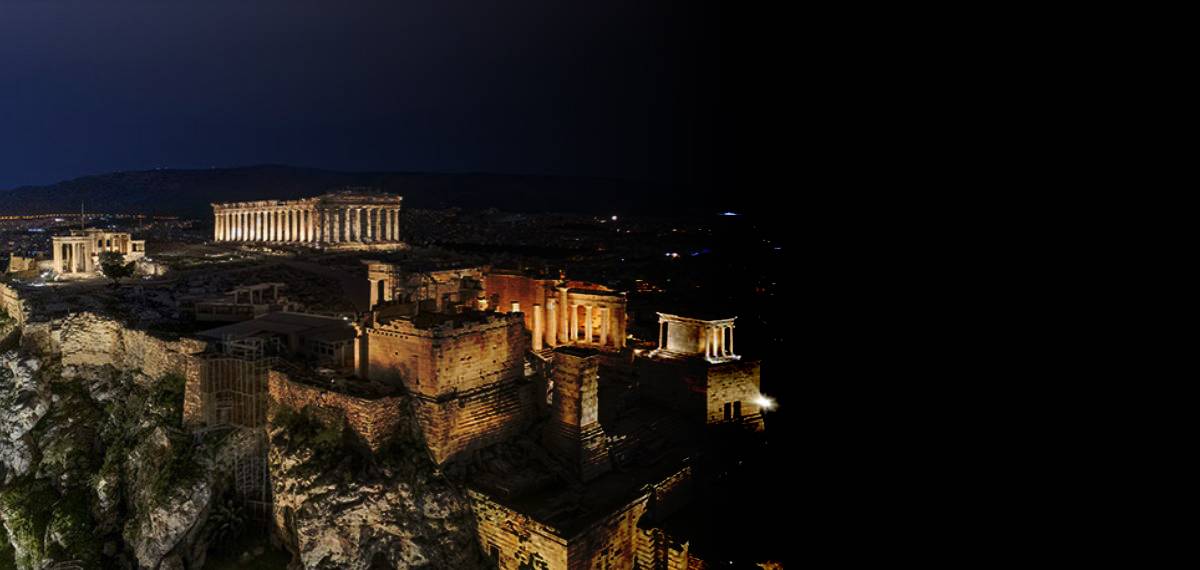
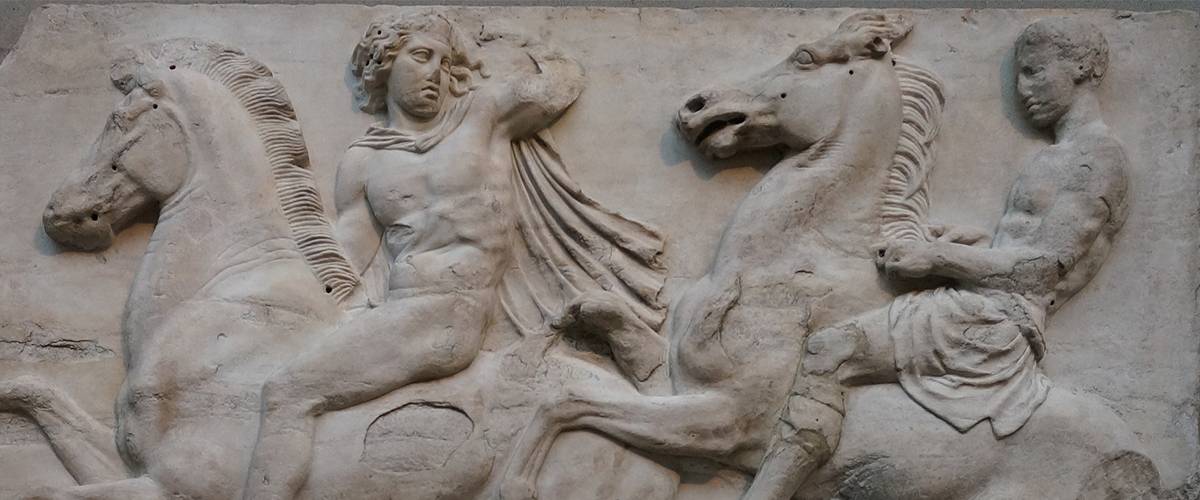

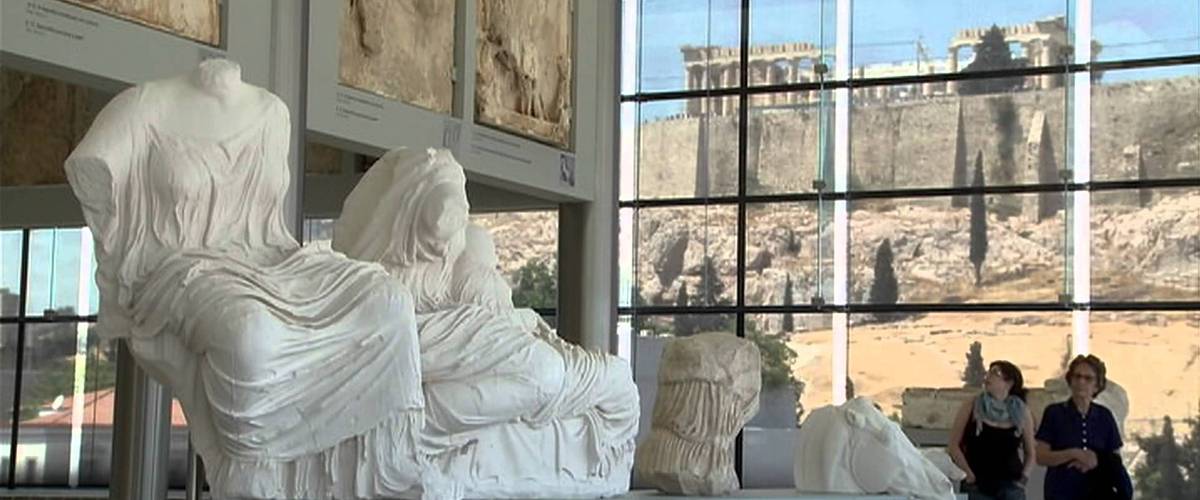
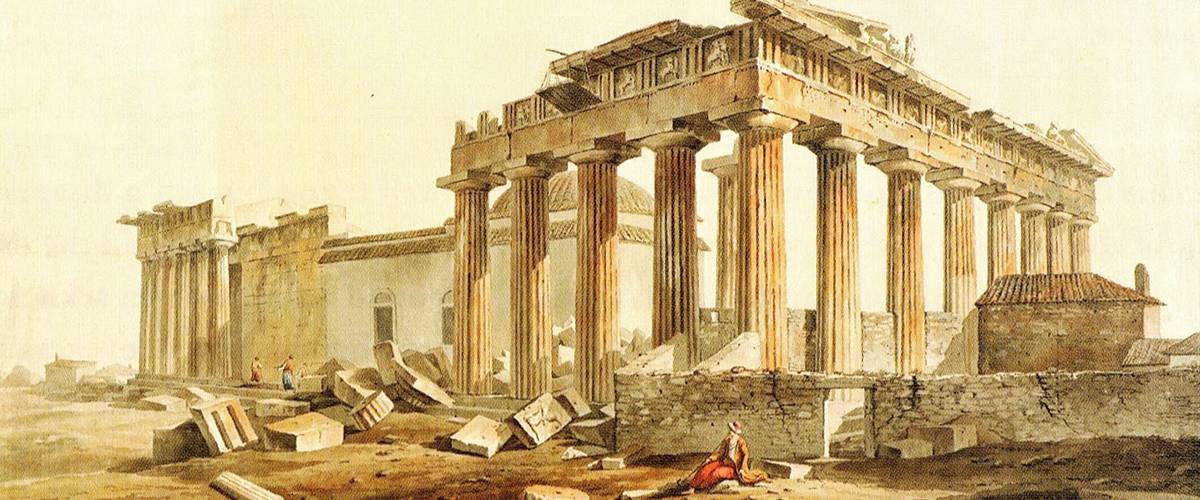
Welcome to the site of the British Committee for the Reunification of the Parthenon Marbles. These pages contain detailed information on the Parthenon (Elgin) Marbles, together with the case for their return to Athens, Greece. If you would like to find out about the various ways to get involved with the campaign, or simply to learn more about the subject, then please read on.
THANK YOU FOR YOUR VISIT
For full details on all our latest news items, please visit our Latest News page.
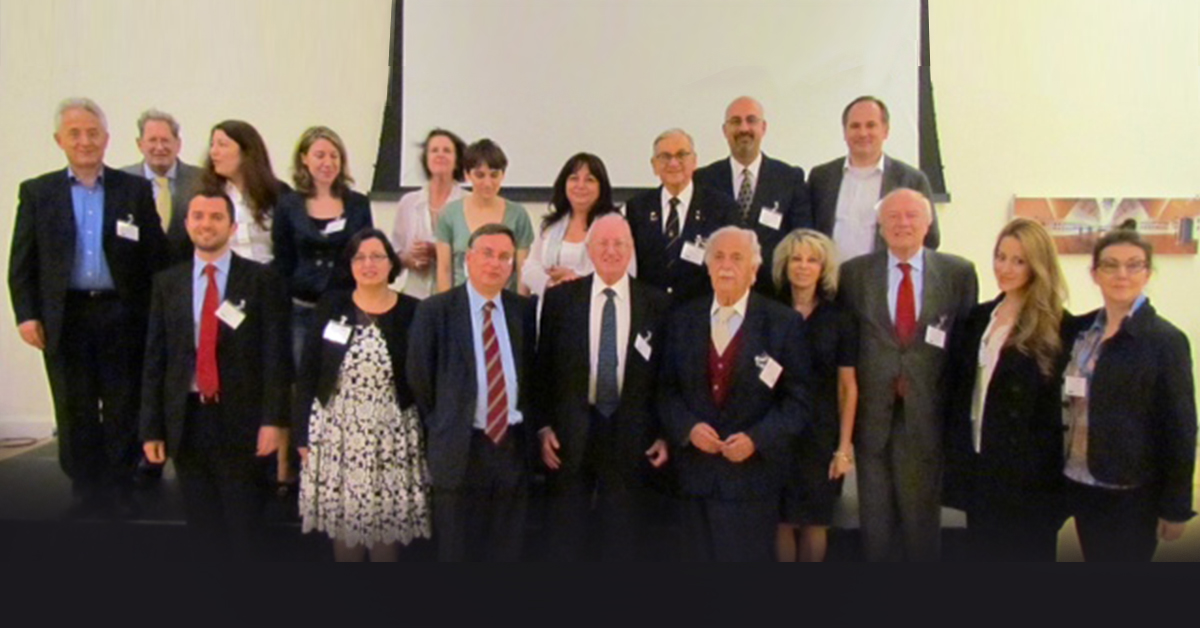
International Colloquy: "Parthenon. An Icon of Global Citizenship"
Sydney 15 - 17 November 2013
"At the international colloquy held in London in June 2012 the intention was announced that this would be the first of an annual series of such events. The British Committee for the Reunification of the Parthenon Marbles is pleased that the International Organising Committee – Australia for the Restitution of the Parthenon Marbles is planning to honour its commitment to hold the next colloquy in 2013 in Sydney.
The themes of the planned colloquy pick up and develop themes addressed in London.
The theme of Education addresses the evidence of opinion polls that public support for reunification is much influenced by awareness of the issues, including the role of museums.
The theme of Litigation is particularly topical in the light of increasingly aggressive initiatives by a number of countries, most notably and recently Turkey.
The theme of Economy provides the opportunity to consider how the conservation and exploitation of cultural heritage contribute to the economy, not least of Greece in its current economic crisis.
Finally the theme of Activism addresses the central purpose of the series of colloquies, to draw together the many initiatives worldwide and to exploit new media of communication to maximum combined effect.
The BCRPM welcomes the Sydney colloquy as an important contribution to this process."
For more information visit the Colloquy's website on:
www.parthenonmarblesaustralia.org.au/colloquy2013
Eddie O'Hara,
Chairman BCRPM
18 April International Monuments and Sites Day 2013 join the event at the Nicholson Museum & historian and archaeologist Ben Churcher
Do the Monuments of Greece have Universal Values for All Humankind?
18 April 2013
A World Heritage listing is a sought-after accolade for a country but there is more to this listing than a sign at the front gate to a site. What does a World Heritage listing entail and what are the obligations on those countries holding World Heritage sites?
On International Monuments and Sites Day 2013 it is appropriate to examine how Greece contributes to the World Heritage List -administered by UNESCO and ICCOMOS- The International Council on Monuments and Sites) by examining some of the World Heritage sites listed, or in the process of being listed, within Greece. These sites vary from obvious inclusions such as the Parthenon, through to more obscure sites such as Mystras in the Peloponnese. The lecture will examine a number of these sites to explore what aspects elevate them from being of national Greek value to that of international value to all humankind.
Giving back by Cavafy
'Give back the Elgin Marbles'
Please use the link to read the full article.
Extract:
............it is not dignified in a great nation to reap profit from half-truths and half-rights; honesty is the best policy, and honesty in the case of the Elgin Marbles means restitution. If the latter, and he wrote merely in order to outrival the eloquent, clever and sensible article of Mr. Harrison, it is much to be regretted that he did not consider the great French author’s wise warning: «Qui court après l’esprit attrape la sottise».
Cameron's views on returnism not supported by BCRPM
26 February 2013
Cameron's views on returnism not supported by BCRPM
Sharon Heal for Museums Journal
PM's concept is simplistic and inadequate, say critics Prime minister David Cameron has been condemned for a lack of understanding following his statement last week about restitution of cultural objects.
Cameron was answering questions on a state visit to the site of the Amritsar Massacre, where British troops killed 379 Indians, when he was asked if he thought that the Koh-i-Noor diamond, which is part of the Crown Jewels, should be returned as goodwill gesture. The prime minister said he didn’t believe in “returnism” and that wasn’t the right approach.
He added: “It’s the same question with the Elgin Marbles and all these other things. I think the right answer is for the British Museum and other cultural institutions in Britain is to do exactly what they do, which is link up with museums all over the world to make our collections
- to make sure that the things that we have and look after so well - are properly shared with people around the world.”
But the British Committee for the Reunification of the Parthenon Marbles has censured the prime minster for conflating the two cases.
Eddie O’Hara, chairman of the committee, said that each case must be judged by its merits.
“In the case of the Parthenon marbles it is the probably unique demand for the reunification of the integral sculptured components of a Unesco world heritage monument, acquired in circumstances that were at best dubious, in an act of cultural vandalism.”
He added: “The fact that he conjoined two such widely differing cases as the Koh-i-Noor diamond and the Parthenon Marbles, and the fact that he called the latter the "Elgin" Marbles suggests that he does not appreciate what a simplistic and inadequate concept ‘returnism’ is.”
Additional notes:
- "By the way, did Mr Cameron not notice the simultaneous outburst of "returnism" in the popular press at the removal in dubious circumstances for sale abroad of a Banksy mural from a London building whose only cultural pretension was this spray on addition?" Questions Eddie O'Hara Chairman for the British Committee for the Reunification of the Partrhenon Marbles
- Decolonising Culture by Chris Price, Vice Chairman of the British Committee for the Reunification of the Parthenon Marbles (updated by Marlen Godwin)
Time was when European imperial powers assumed that theft and despoliation of cultural treasures from more fragile countries could be carried out with immunity. This is why in the 21st century, the issue of looted art from the colonial era, refuses to go away.
Thankfully in the last decade we have had ‘movement’ starting with Tony Blair and the initiative to return the human remains of the Aborigines back to Australia.
Italy has used the extent of their legal powers to promote arrangements with US museums to return disputed objects.
At the same time initiatives and amendments to the Museum Law also produced positive results for Holocaust looted objects being returned to ‘first peoples’ to whom they are meaningful and precious.
UNESCO and ICOM continue with their efforts for a global code of conduct over restitution of disputed cultural objects.
More recently the European Commission is also planning to help Member States recover national treasures, which have been unlawfully removed from their territory by amending its current legislation.
The UK and the British Museum are sadly ‘stuck’, this was reinforced by Mr Cameron’s comment that he doesn’t support ‘returnism’.
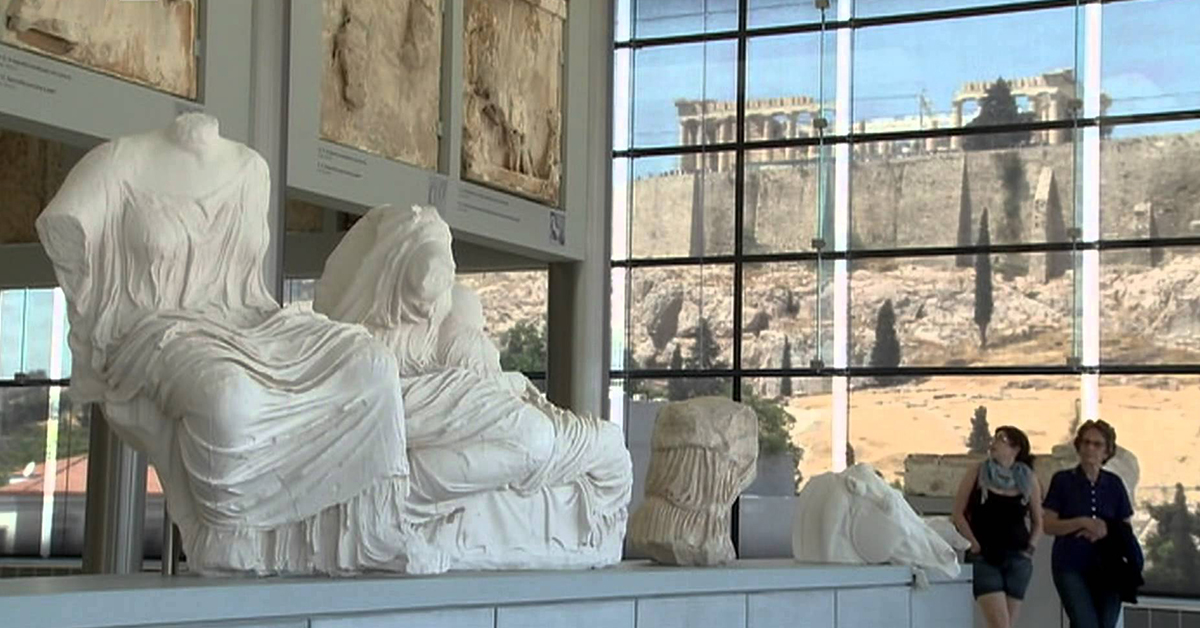
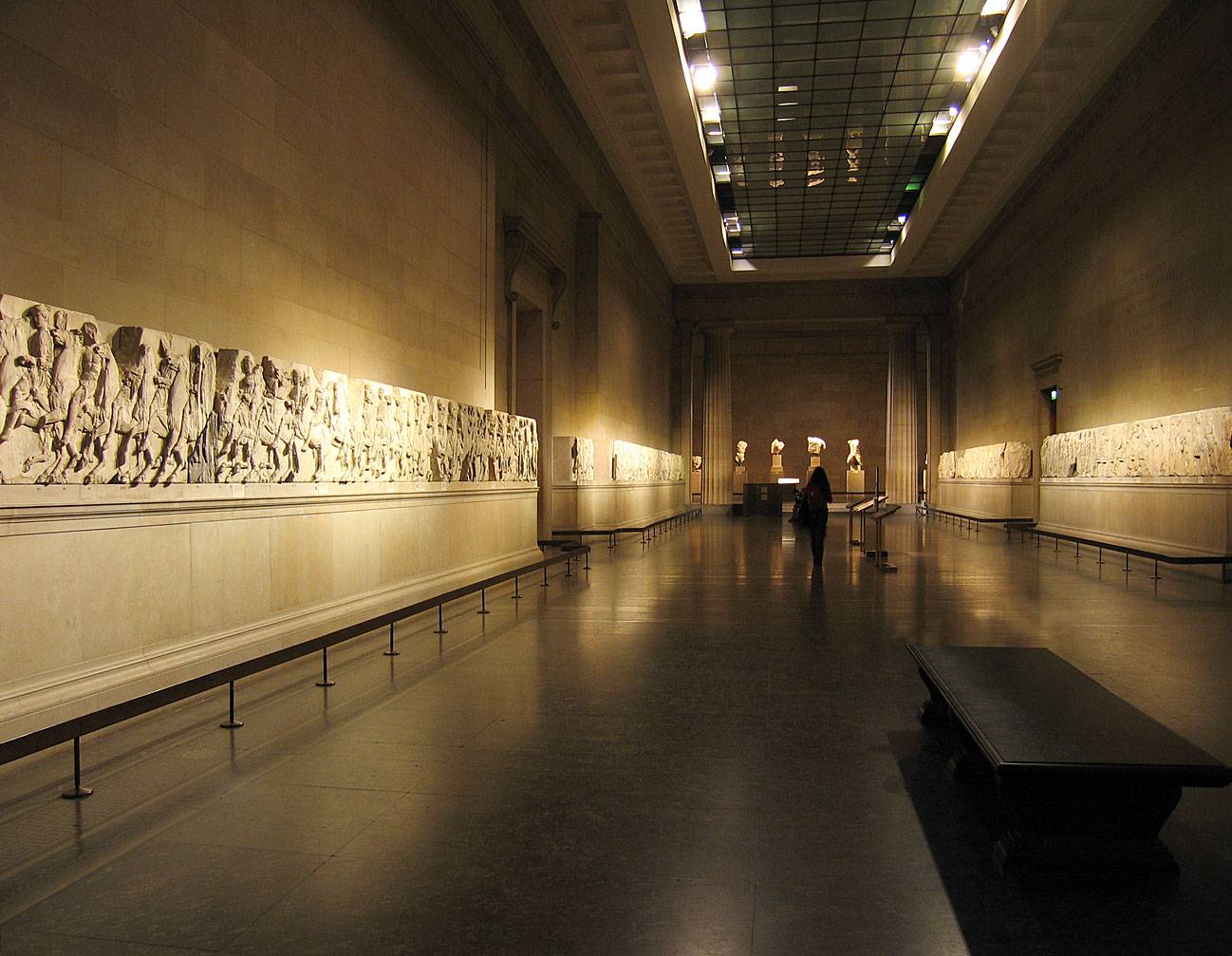
The majority of the surviving pieces of the Parthenon sculptures are mainly divided between London and Athens and between two superb museums, the British Museum and the Acropolis Museum.
Had Mr Cameron taken time to visit the Acropolis Museum and then flown back into London going straight to the British Museum to see the collection of the marbles here, he might actually understand how short sighted his comment was when he tried to roll the Parthenon Marbles into his beliefs regarding ‘returnism’.
In order to safeguard the ‘new’ reasons for keeping this peerless work of art divided between two major European cities, Neil MacGregor, the charismatic Director of the British Museum launched his History of the World and he has emphasised in interviews that the Marbles ‘tell a different story’ in the British Museum.
Research on museum visitors has concluded that the average visitor does not make meaningful connections between the randomly acquired objects held by ‘encyclopaedic’ museums. Indeed, given the choice between viewing the Parthenon Marbles within the artificial contexts applied to them by British Museum curators and experiencing them in the city of Athens from which they originate, the overwhelming evidence is that the majority of the public would prefer to see them returned to Athens.
Sharon Waxman in my opinion was the person that got closest to the core of the problem. She insisted in her book “Loot” that current “political possession” should and could be replaced by “cultural cooperation”.
Although the British Museum trustees are not convinced, the British public (to whom the trustees are responsible) disagree. Polling results including the Museum Journal’s poll prior to the BCRPM’s International Colloquy in London last June, clearly show that there is a strong belief that the fragmented Parthenon marbles deserve to be reunited and seen as a whole in context and with views to the building they were created for.
The British Committee for the Reunification of the Parthenon Marbles now in its 30th year of campaigning believes that a solution can be found. A solution which would earn the respect for both museums and would not be seen as a victory or defeat for either. This solution needs imagination from the museums and support from their respective governments.
The worldwide support for reunification would recognise that progress can be achieved and abandoning the relics of cultural colonialism will improve cultural cooperation, which in turn may have a far reaching effect on other sectors . Mr Cameron’s goal of increasing trade relations and improving the economy and indeed earning him and his party more votes, starts here. It isn’t about ‘returnism’ Mr Cameron but about cooperation - a word that would instantly enhance David Cameron standing, not just in this country but globally.
Cameron rules out return of Parthenon marbles
22 February 2013
Nothing new with Prime Minister David Cameron's firm stance regarding the reunification of the Parthenon sculptures .... Mr Cameron made much same point a few years ago in Parliment and he is entitled to his opinion - an opinion that will not earn him global or popular support, but then he wasn't trying to grab our attention was he?
British Prime Minister David Cameron has ruled out the return of the so-called Elgin marbles to Greece.
Speaking from India, where he is on an official visit, on Thursday the Tory leader turned down requests for the return of the Koh-i-noor diamond to Britain’s former colony saying he did not believe in “returnism.”
“It is the same question with the Elgin marbles,” Cameron said, referring to the classical Greek marble sculptures currently on display at the British Museum in London.
Greece has long campaigned for the marbles, which are part of the Parthenon temple on the Acropolis and which were removed by Lord Elgin during Ottoman rule, to be returned to their rightful place.
“The right answer is for the British Museum and other cultural institutions to do exactly what they do, which is to link up with other institutions around the world to make sure that the things which we have and look after so well are properly shared with people around the world,” Cameron said.
New legislation to facilitate recovery of illegally removed national treasures Article
Tuesday 19 February 2013
New legislation to facilitate recovery of illegally removed national treasures Article
By Elena Ralli
The European Commission is planning to help Member States recover national treasures which have been unlawfully removed from their territory by amending its current legislation that has several inadequacies. Consequently, the European Commission Vice-President Antonio Tajani proposed today to strengthen the possibility for restitution available to Member States.
As Vice-President Antonio Tajani, responsible for Industry and Entrepreneurship stated: "Safeguarding the cultural heritage of all Member States is of major importance to the European Union. Our proposal is therefore necessary to further strengthen the effectiveness of the fight against illegal trafficking in cultural goods. The harmful effect on our national treasures represent a serious threat to the preservation of the origins and history of our civilization."
The proposed changes would apply to cultural goods classified as "national treasures" unlawfully removed after 1993 that are now located on the territory of another Member State.
The suggestions regarding the amendment of the legislation include extending the scope of the definition of cultural goods, extending the deadline for initiating return proceedings in the courts of the country where the property is now located, using the internal market information system to facilitate administrative cooperation and information exchanges between national authorities and finally, asking any possessor of an object requiring compensation for returning the object to prove it was not knowingly acquired illegally.
Illegal trafficking of cultural goods covers a wide range of activities from the unlawful removal of cultural property without compulsory permission, to trade in stolen goods.
'The Parthenon [Elgin] Marbles - the Case for Reunification' - presentation by Eddie O'Hara at Oxford University 29 January 2013
On Tuesday 29th January 2013, Eddie O'Hara, Chairman for the British Committee for the Reunification of the Parthenon Mables (BCRPM) will be in Oxford, giving a presentation, 'The Parthenon [Elgin] Marbles - the Case for Reunification', to the Oxford University Classics Society at 15:30 pm.
This presentation is open to all and will take place in the 2nd floor lecture theatre of Radcliffe Humanities (formerly Radcliffe Infirmary). All those interested in classics, ancient Greece, or museology, should consider attending!